

Rethinking Success Through the Trade-Off Lens
Success is often portrayed as straightforward progression: more responsibility, more income, more influence, more opportunity. Yet when you sit with leaders behind closed doors, the conversation usually drifts in a different direction. Not towards what they gained, but towards what moved, stretched, or quietly disappeared along the way.
Nobody arrives at senior responsibility without navigating trade-offs, whether they be conscious or subconscious ones.
They run through every decision: time invested here is time taken from somewhere else. Energy used to push a project over the line is energy not available for health, family, other projects or just longer-term thinking. The issue is rarely that leaders made ‘wrong’ choices. More often, it is that they didn’t fully see the trade behind the choice.
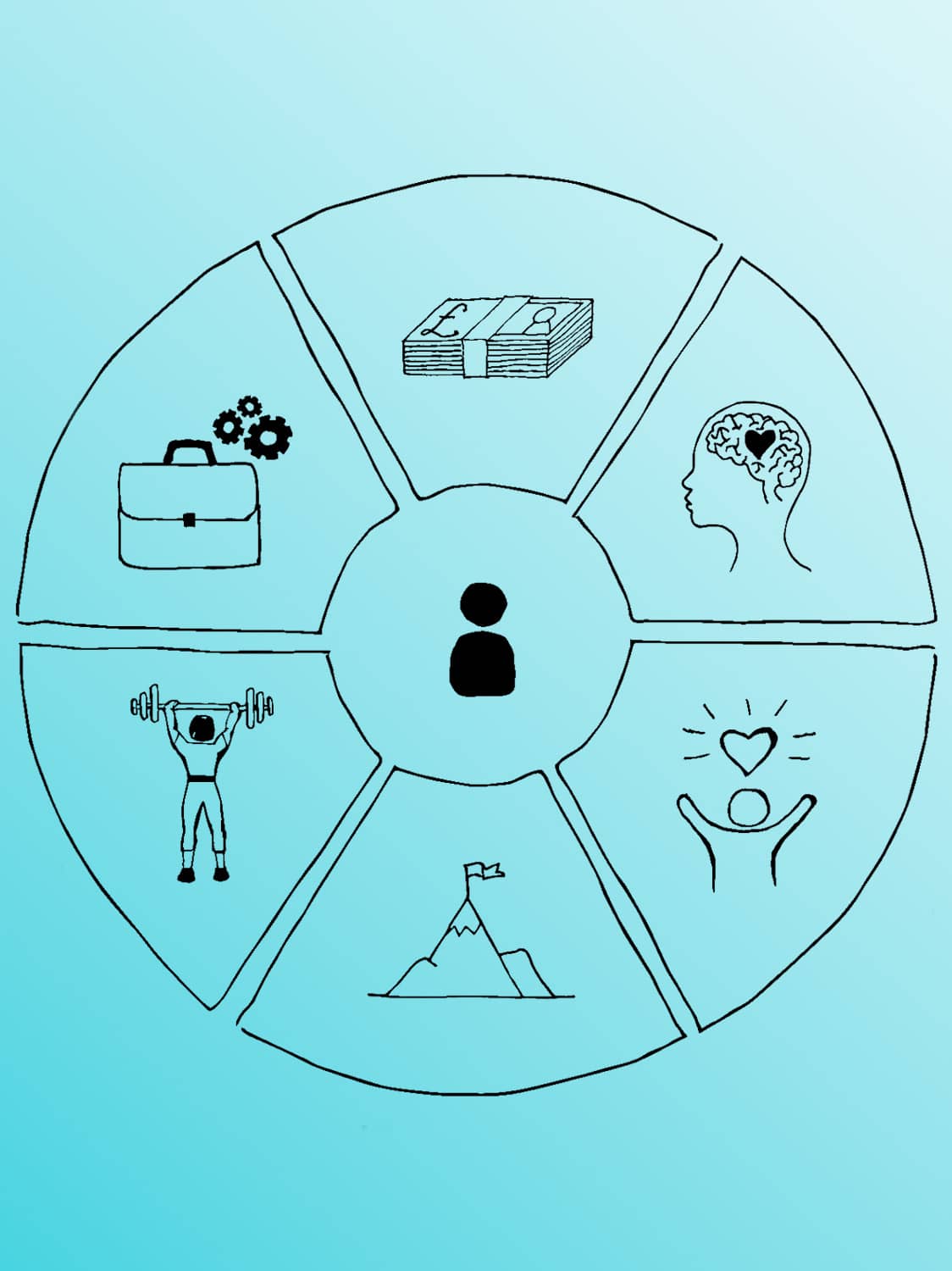
In Balancing Act, the Calibration Model was created partly to solve this. It gives structure to something most people feel intuitively: success in one area can come at a cost you never consciously agreed to pay. The model is designed to help you stay alert to hidden trade-offs and adapt intentionally when your priorities shift.
Success Has a Cost, and the Cost Is Personal
In the research and interviews behind the book, leaders shared moments where their version of success had reshaped their lives more than they expected:
- A decade of progression that left friendships thin and transactional
- A role that came with status but slowly crowded out their sense of self outside work
- Physical and mental health being treated as expendable in service of ‘one more year’ at full tilt
These aren’t failures. They’re consequences. Every meaningful goal pulls from somewhere: sleep, attention, emotional presence, creative bandwidth. The question isn’t whether you’ll trade. The question is whether the trade is chosen or inherited.
The Calibration Model encourages you to view those trades through the three paradigms:
- Money-Mission: Are financial moves advancing both stability and purpose, or pulling them apart?
- Mental-Physical: Is your system carrying more than it can sustain?
- Work-Life: Is your professional world expanding while your life outside it contracts?
When your efforts in one paradigm begin to distort the others, the model acts as a warning light.
The Trade-Off Lens Creates Clarity
The Trade-Off Lens doesn’t ask you to be less ambitious. It asks you to look underneath ambition. Instead of only asking, “What do I want?”, it adds:
- What will this require of me?
- What will move as a result?
- What am I prepared to shift…and what must remain intact?
This is where the book goes further. In Chapter 2, you’re guided to build a Long-Term Model of Success and then compare it with your Current Snapshot. The overlay makes trade-offs visible on the page: areas filled in heavily (work, income, mission) sitting alongside areas that have been left thin (health, connection, rest).
When leaders complete this exercise, they often realise that misalignment didn’t arrive suddenly. It was built, decision by decision.
Trade-Offs Are Not Failures of Balance
Balance is not a final state. It is an ongoing negotiation between seasons:
- Periods when work legitimately asks more of you
- Phases where family, health, or recovery must take the lead
- Chapters where Money-Mission recalibration needs deliberate focus
The point is not to remove trade-offs, but to reclaim ownership and authorship of them.
In Chapter 7, the Money-Mission Transition Framework helps you explore this in specific moments: career changes, financial milestones, entrepreneurial moves, or legacy choices. It asks questions like “What support systems need to be in place?” and “How will you maintain balance during change?” so that trade-offs are anticipated, not discovered afterwards.
Putting the Trade-Off Lens Into Practice
Take one decision currently on your desk. It might be a promotion, a move, a new project, or a financial commitment.
- Name the gain: What does this add (opportunity, income, impact, visibility)?
- Name the cost: Which paradigm will feel it: Money-Mission, Mental-Physical, or Work-Life?
- Decide consciously: Is that a trade you are willing to own, and for how long?
If you want structured tools to do this, Balancing Act: Mastering Work, Wealth and Wellbeing walks you through:
- The Calibration Model overlay exercise
- Money-Mission decision lenses
- The Transition Framework for high-stakes crossroads
Together, they turn vague unease about trade-offs into something you can see, work with, and reconfigure deliberately.