

Decision-Making Under Pressure: A Practical Framework for Leaders
High-pressure decisions often arrive without warning. A challenging conversation. A financial shift. A moment where a team waits, silently, for direction. Leaders frequently describe these situations in physical terms - tightness in the chest, shallow breathing, an internal rush that distorts perception. What we call ‘pressure’ is often a combination of emotional activation, cognitive load, and uncertainty arriving all at the same time.
Across interviews with high-performing individuals including athletes, military leaders, and executives, there is a shared pattern: when pressure rises, the quality of the decision is shaped less by the complexity of the situation and more by the leader’s internal state at that moment.
Pressure narrows vision. Clarity expands it.
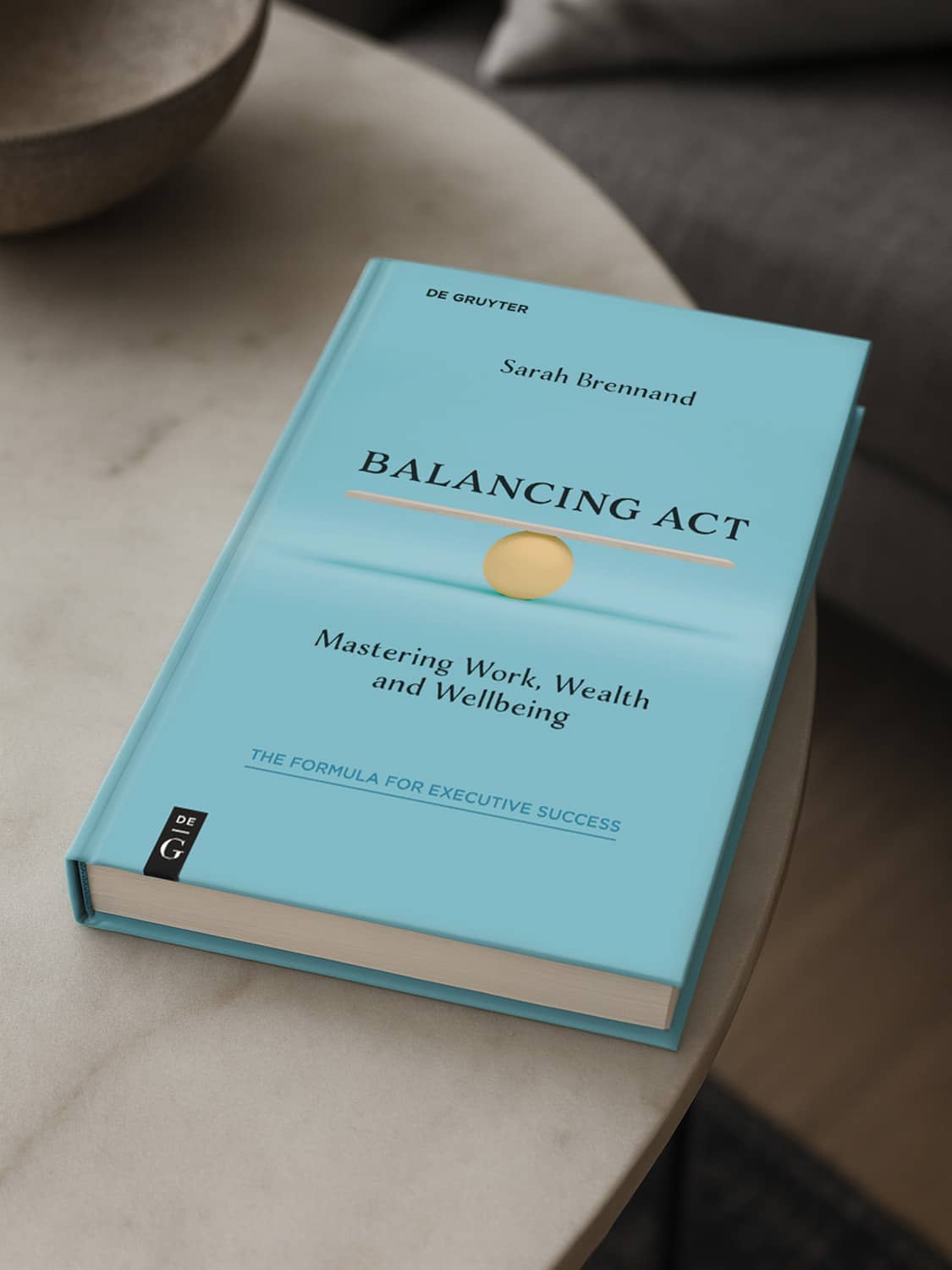
This insight is at the heart of the Balancing Act approach to decision-making. Decisions are rarely improved by pushing harder; they’re improved by recalibrating the internal system we use to interpret the world.


Understanding What Pressure Does to the Brain
When demands increase, the brain shifts towards efficiency. It favours speed over nuance and pattern recognition over exploration. Familiar responses will be more quickly sought that creative thinking associated with new opportunities. These shortcuts are adaptive, they keep us safe but they can also pull us towards decisions that are reactive rather than deliberate.
In these moments, leaders often default to what is known, not what is needed.
This is why emotional and physiological regulation sits at the core of effective decision-making. Neuroscience research shows that once emotional activation crosses a certain threshold, access to the prefrontal cortex, the area responsible for rational thought and long-range planning, narrows significantly. Decisions made from this state may be fast, but they are rarely strategic.
A Framework That Centres the Human Before the Decision
The Balancing Act model uses a simple but powerful progression:
Regulate → Reframe → Respond
Not as a linear instruction, but as a recalibration process. The goal is not to neutralise emotion but to bring the system back online so that perspective returns.
Regulation might involve grounding the breath, noticing the body, or pausing long enough for the emotional spike to pass.
Reframing is about widening the lens: What matters here? What is unnecessary or unhelpful noise? What is the long game (what matters ‘most’)?
Response is the moment we choose, ideally from clarity instead of contraction.
Leaders who build this sequence into their decision-making describe something interesting: pressure feels different when it is expected and planned for. It becomes part of the process rather than an interruption to it.
Clarity Comes From Alignment, Not Speed
Many leaders assume that effective decision-making is about processing more information. In reality, it is about knowing what to ignore. Decisions become clearer when they align with three things:
- Your North Star and guiding values
- The paradigm you’re trying to protect (Money-Mission, Mental-Physical, Work-Life)
- The internal state from which you are choosing
When these three are congruent, decisions feel cleaner and more comfortable. Leaders often describe a sense of ‘settling’ in the body when they reach the right direction, even in high-pressure moments.
Decision-making under pressure is not solely a cognitive skill. It is an emotional and physiological skill too. When leaders learn to regulate state, widen perspective, and choose from alignment, they stop reacting to pressure and start operating through it.