
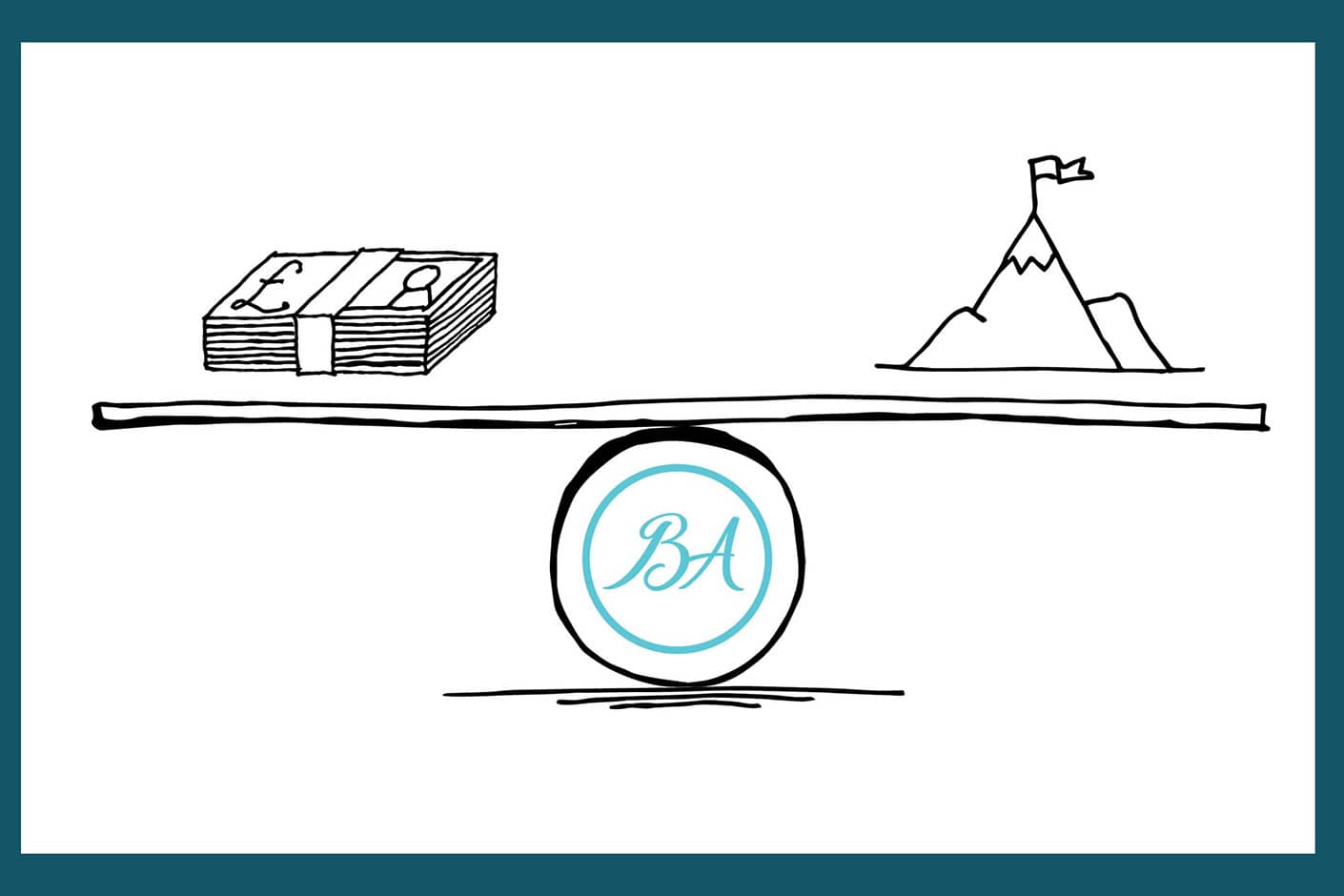
The Money-Mission Divide Is a False Dichotomy
Leaders often talk about money and mission as if they sit on opposite sides of an internal negotiation. One represents practicality, responsibility, and security. The other represents purpose, impact, and fulfilment. But when we examine how people actually make decisions, across organisations, families, and career transitions, the line between the two is rarely as clear as it seems.
In many coaching conversations, the tension appears early. A leader wants more meaning in their work, yet feels anchored by financial obligations. Another is financially secure, yet senses a growing discomfort in a role that no longer aligns with what they value, or the legacy they want to create. What seems like conflict is often something else: two essential drivers of human behaviour being forced into opposition when they were never designed to be rivals.
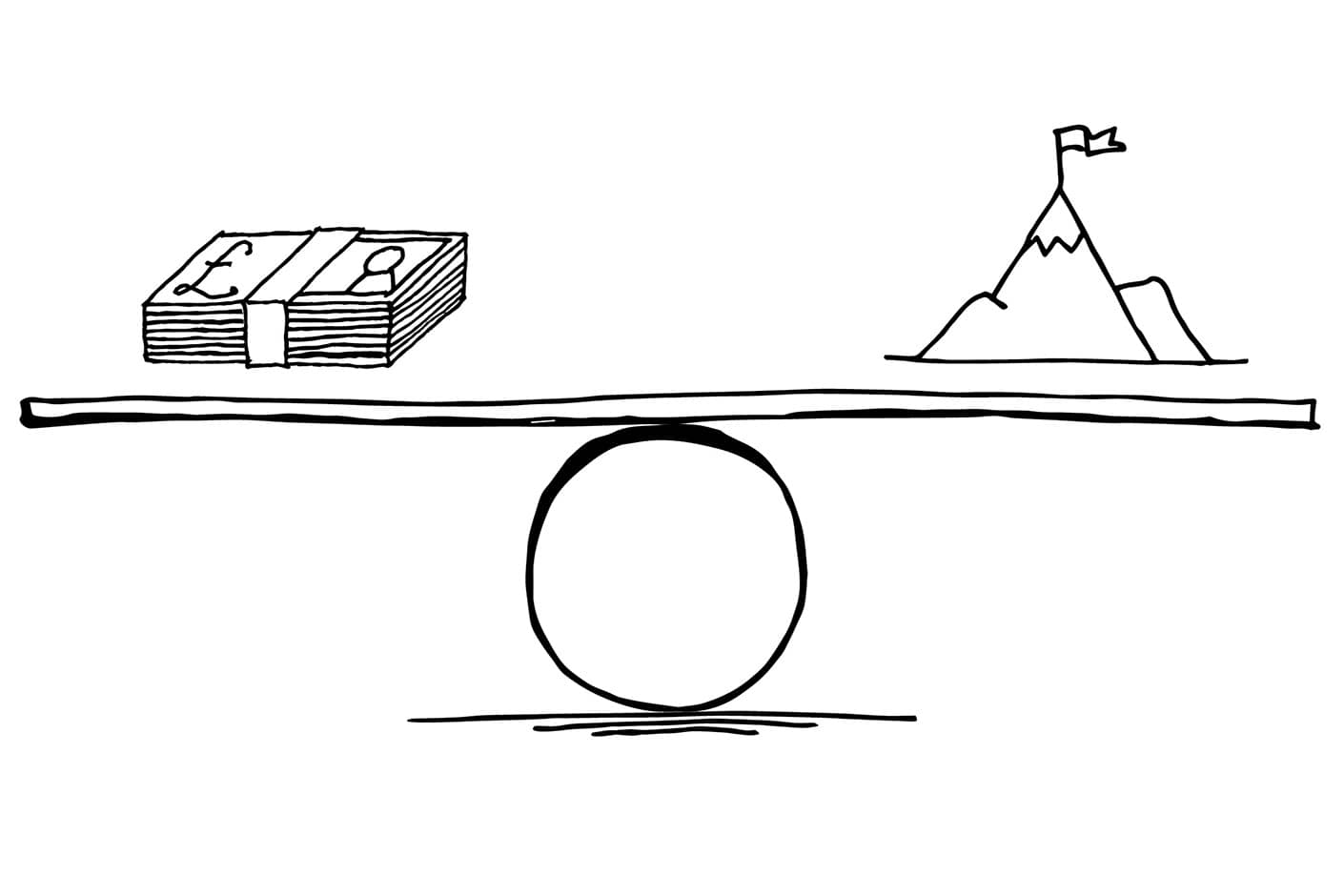
Money and mission are not competing priorities. They are interdependent systems.
Money as Stability, Mission as Direction
In the Money-Mission paradigm, money isn’t simply currency; it is stability. It represents the resources that enable choice, the buffer that reduces pressure, and the structure that supports long-term thinking. Mission, by contrast, is direction. It pulls the leader towards something meaningful, grounding decisions in a sense of purpose and contribution.
When stability supports direction, clarity increases. When direction shapes stability, decisions carry integrity. The challenge arises when the two become disconnected, when financial decisions are made without reflecting on purpose, or when purpose-driven decisions are made without considering the structures that sustain them.
False Separation Creates Real Stress
Many leaders assume they need to choose between the two:
- security or meaning,
- income or
This perceived separation creates unnecessary pressure. Leaders describe it as a feeling of being ‘split,’, of feeling internal ‘conflict’, caught between what they must do and what they want to do. But when we examine the underlying patterns, it becomes clear that the real issue is not the presence of competing needs but the absence of a framework that holds both in place.
This is where the Calibration Model is particularly useful. It doesn’t ask the leader to prioritise money or mission. It asks them to understand how each influences their behaviour, identity, and decision-making.
Integration, Not Trade-Off
The inflection point occurs when leaders realise the tension can be reframed. Instead of asking, “Which one should I choose?”, the more strategic question becomes: “How do these two inform each other?”
- Mission offers meaning; money offers momentum.
Mission shapes values; money shapes viability.
Mission drives intention; money supports execution.
Leaders who integrate these dimensions describe a noticeable shift. Financial decisions feel cleaner and easier because they reflect what matters. Purpose-driven decisions feel grounded because they acknowledge practical realities. The tension doesn’t disappear, but it becomes manageable - something to be worked with rather than resisted.
A Paradigm for Modern Leadership
The future of leadership is not about choosing between financial progress and meaningful work. It is about designing a life, career, and organisation where the two support one another. The Money-Mission divide was never a real divide. It was a misunderstanding of how purpose and security coexist.
When leaders learn to calibrate this paradigm, they stop viewing financial choices as compromises and start seeing them as part of the infrastructure that allows mission to thrive.
This is not balance in the traditional sense. It is integration. And integration creates sustainability.
Further insight on the importance of the Money-Mission Paradigm can be found in the book Balancing Act: Mastering Work, Wealth and Wellbeing.