

Relationships as a Performance Multiplier
High performance often gets framed around individual traits: discipline, focus, strategic thinking. Yet when you look closely at how leaders sustain success over time, another pattern appears.... performance is SOCIAL. The quality of your relationships shapes the quality of your leadership.
In Balancing Act, the Work-Life Paradigm and the section on The Role of Relationships in Sustainable Success underline this directly. Relationships function as emotional scaffolding, practical support, and perspective expanders. They regulate your nervous system under pressure, give you access to better thinking, and keep you anchored to what actually matters.

Three Layers of Relational Support
Think of your relationships in three layers that each influence performance in different ways:
- Core anchors: The small group of people who know you beneath your role. They steady you when pressure rises and remind you who you are when success or stress starts to distort perspective.
- Performance partners: COlleagues, mentors, peers and advisors who broaden your thinking, challenge blind spots, and give you clean feedback without ego.
- Everyday environment: The people you spend unplanned time with: team members, regular collaborators, informal networks. These relationships quietly shape your norms and habits.
In Balancing Act, this is described as your “personal board of advisors”, the people who influence your standards and your definition of success, whether you’ve chosen them consciously or not.
When Relationships Multiply Performance
Relationships become performance multipliers when they do at least two things:
- Regulate your emotional load: A conversation with someone who understands your world can lower tension faster than any productivity hack.
- Refine your decisions: A well-timed question from a trusted person can stop you overreacting, taking on too much, or pursuing goals that no longer match who you are.
High performers often point to quiet but pivotal moments: a coach who asked a challenging question, a partner who noticed the cost of a role, a colleague who named what nobody else was saying. These moments change direction.
When Relationships Quietly Erode Performance
The opposite is also true. Relationships can:
- Reinforce outdated maps of success
- Normalise unhealthy rhythms
- Reward overwork, self-silencing, or people-pleasing
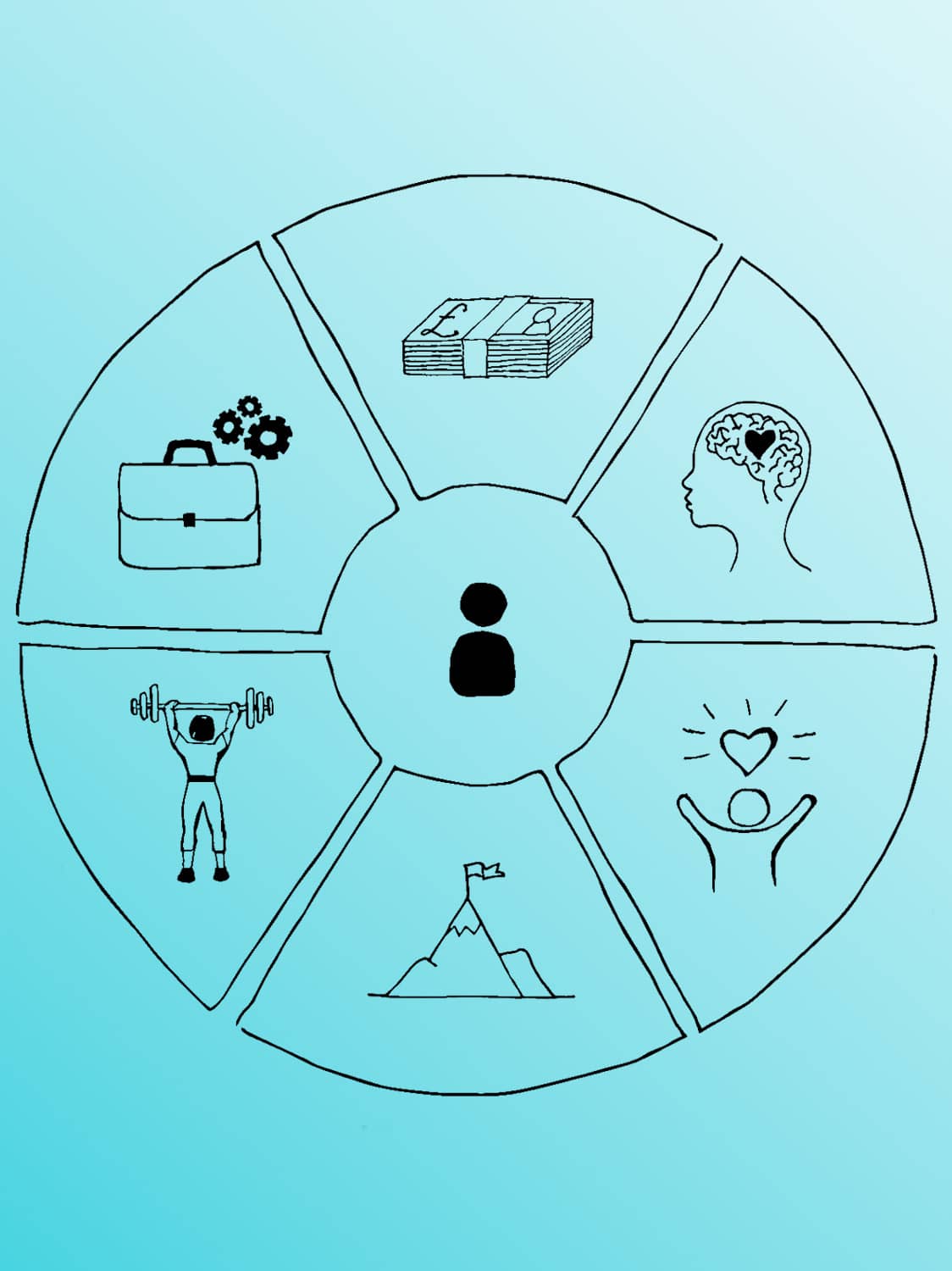
Sometimes this doesn’t come from bad intent; it comes from people whose worldview no longer fits the leader you’re becoming. Balancing Act encourages you to examine this honestly as part of Building Your Portfolio of Wealth, wealth defined as time, energy, relationships, purpose, and finance, integrated rather than siloed.
A Simple Relational Audit
Try this short exercise from the perspective of the Calibration Model:
- List five people you spend the most time with professionally and personally.
- Next to each name, jot down:
- “Energises / Drains / Neutral”
- “Expands my thinking / Narrows it”
- “Aligned with who I’m becoming / Aligned with who I used to be”
- Choose one relationship to invest in more intentionally, and one micro-boundary to introduce where the dynamic is draining.
This is not about cutting people off abruptly; it is about consciously designing the relational ecosystem that surrounds your leadership.
Going Deeper with the Book and Resource Hub: If you recognise that relationships are carrying more weight in your performance than you realised, Chapter 10 of Balancing Act walks through this in detail, with examples from leaders like Adam Burgess and Floyd Woodrow, and prompts for reviewing your own “board of advisors”.