

Pressure does not undermine performance. Unregulated emotional load does.

With Sarah Brennand. Creator of the Calibration Model & Author of Balancing Act - Mastering Work, Wealth and Wellbeing

With Anne McClean. Partner and Head of Wealth | Chartered Financial Planner and Certified Financial Planner | Specialist in Strategic Financial Planning

When leaders talk about feeling “off their game” or “behind”, they’re usually describing an energy problem, not a time problem.

When you look closely at how leaders sustain success over time, another pattern appears.... performance is SOCIAL.

Cognitive load sits quietly in the background of leadership life. It doesn’t appear on your calendar, but it shapes how every item on that calendar feels.
-
Communication in leadership is not a nice-to-have extra. It is essential and it is structural.

Stress is framed as psychological, focus as cognitive, movement and recovery as physical. The reality, as explored in the Mental-Physical Paradigm in Balancing Act, is that these systems are tightly integrated.
-
Success is often portrayed as straightforward progression: more responsibility, more income, more influence, more opportunity. Yet when you sit with leaders behind closed doors, the conversation usually drifts in a different direction.

High-pressure environments do not create emotional reactions; they reveal them.
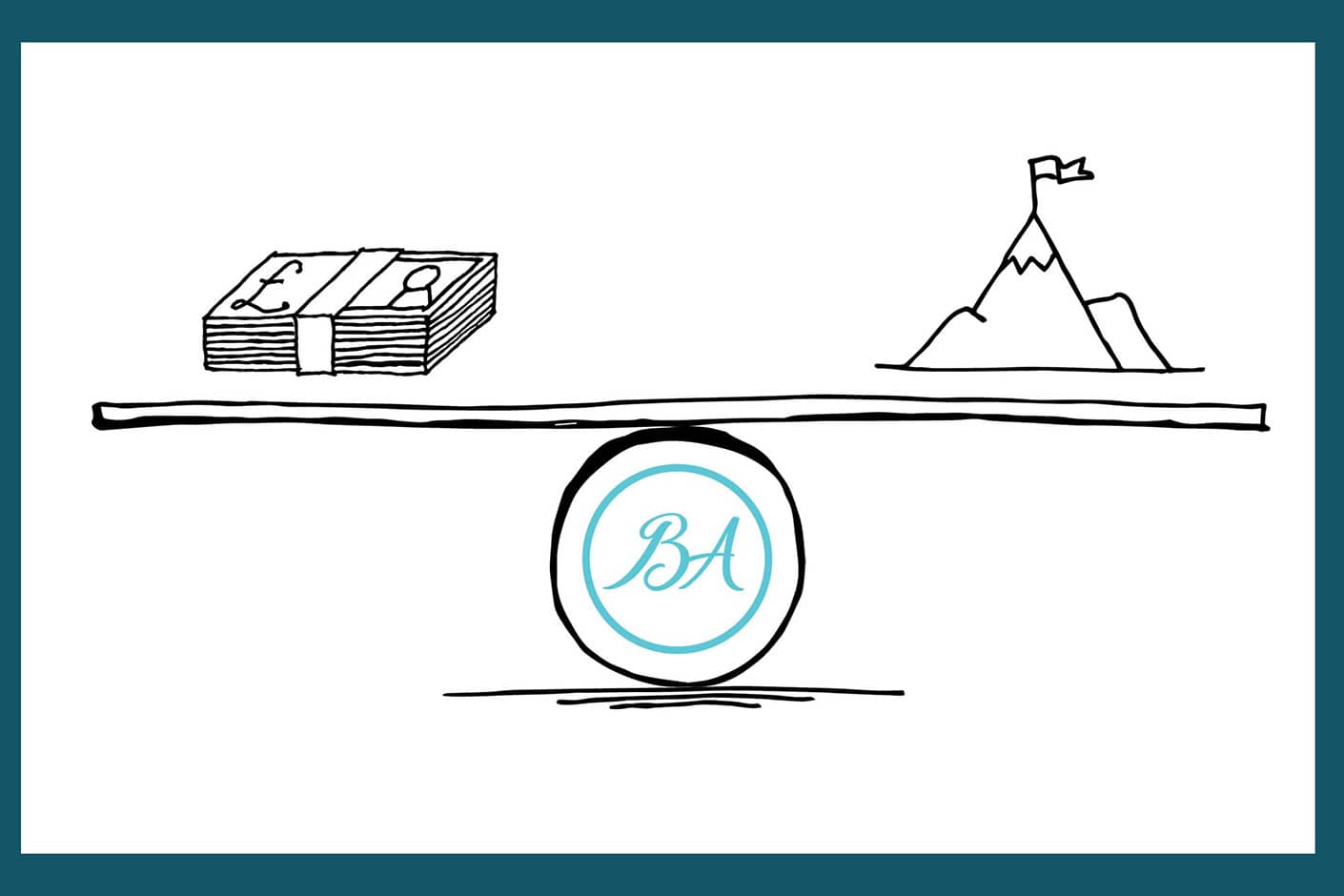
When we examine how people actually make decisions, across organisations, families, and career transitions, the line between money and mission is rarely as clear as it seems.

Resilience is often spoken about as if it is one thing - a personal strength, a mindset, a recovery mechanism or a set of habits. But within high-performance environments, resilience behaves more like a layered system.
High-pressure decisions often arrive without warning. Across interviews with high-performing individuals including athletes, military leaders, and executives, there is a shared pattern.


QUICK MENU

Your home for high performance and sustainable success.
Your home for High Performance and Sustainable Success.
Copyright 2026 Balancing Act