
Research-led insight into how emotional experience mediates motivation and sustainable performance at work.

High performers don’t struggle with health because they lack discipline, they struggle because willpower can’t override biology. In this episode, Sarah Brennand speaks with Jake Mahal about sustainable energy, clarity, and the ROOT System for working with the body rather than against it.

In this episode Sarah Brennand is joined by Sarah Pocklington, a communication and on-camera confidence specialist.

Author of Balancing Act - Sarah Brennand explores listening as one of the most underused yet commercially powerful leadership skills.
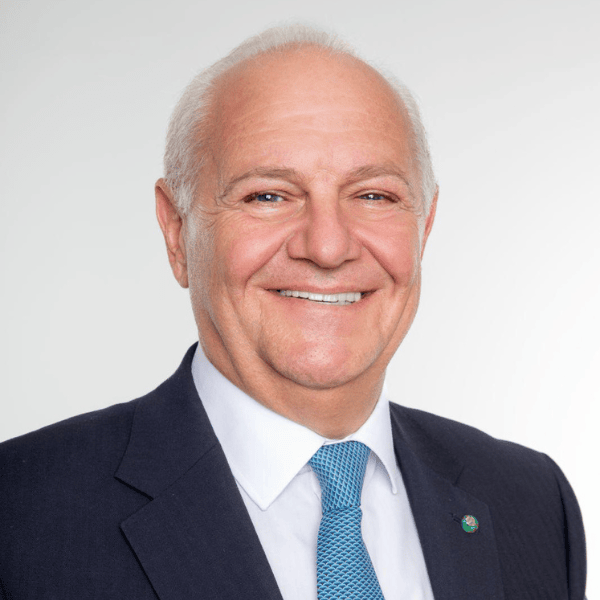
Sarah Brennand is joined by Diego Masciaga, one of the most respected and influential figures in global hospitality, for a rare and insightful conversation on service excellence, leadership, and human connection at the highest level.
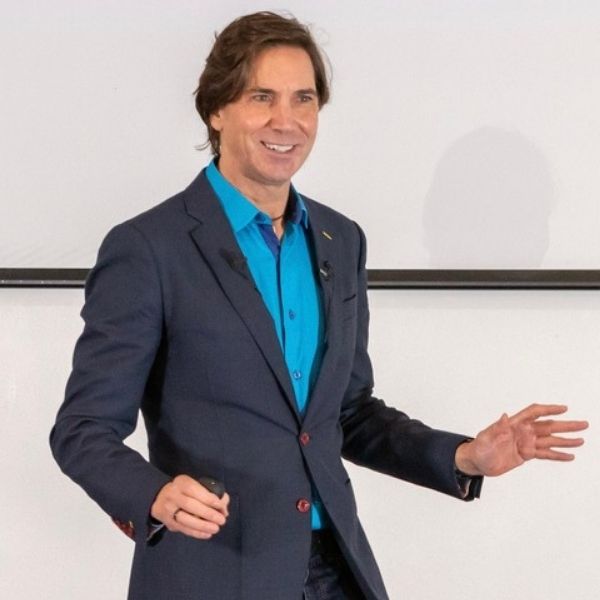
If you can't get to the start line, you can't even compete with Guest Steve Judge, a motivational speaker, author and former world champion paratriathlete whose story has inspired audiences across the UK and internationally.

Unlocking Mental Wealth with Guest Mike Pagan, a leading mental wealth strategist, executive coach and motivational speaker who helps leaders, entrepreneurs and high performers build the support networks they need to thrive.
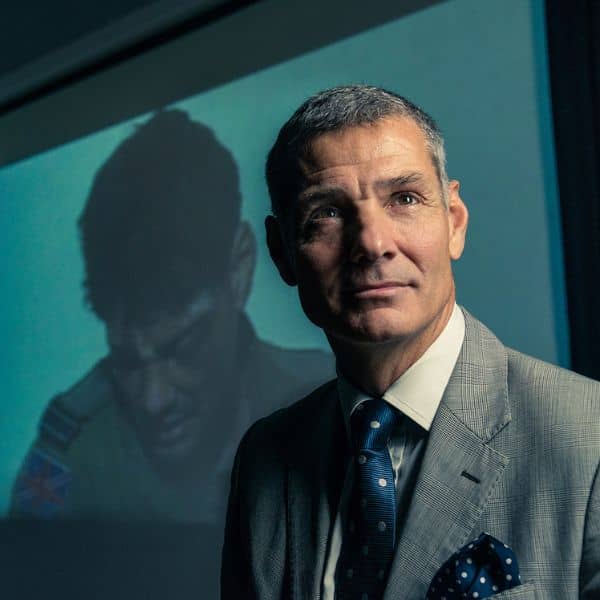
With John Peters, former Royal Air Force (RAF) pilot, author, and recognised motivational speaker, best known for surviving as a prisoner of war during the Gulf War and co-authoring the notable book 'Tornado Down.'

Pressure does not undermine performance. Unregulated emotional load does.

With Gina Belarin: Executive Speaking Coach, Founder of The CEO’s Voice & Verballistics, Storytelling Advisor to C-Level Leaders, TEDx Speaker & Author

With Sarah Brennand. Creator of the Calibration Model & Author of Balancing Act - Mastering Work, Wealth and Wellbeing

Sporting performance is built on training, skill and mindset. Food sits underneath all of that as the quiet infrastructure that decides whether your body can execute what your brain is asking of it.

With Alexis Sikorsky, who shares his journey from starting businesses as a teenager to building New Access into a global banking software company and navigating a nine-figure exit.

With Anne McClean. Partner and Head of Wealth | Chartered Financial Planner and Certified Financial Planner | Specialist in Strategic Financial Planning

With Dr. Lynda Shaw. Cognitive Neuroscientist | Business Psychologist | Entrepreneur

With Sarah Willingham. Entrepreneur | Investor | Former Dragon on BBC’s Dragons’ Den

With Dr. John Sullivan. Clinical Sport Psychologist | Sport Scientist | Creator of the PROCESS Model
-
With Anne-Sophie Amiot. Global Energy Executive | Vice President, Sales & Strategy | Advocate for Women in Engineering

With Adam Burgess OLY. Olympic Medallist | Breathwork Educator | Resilient High-Performer
With Alison Oliver MBE. CEO, Youth Sport Trust | Purpose-Led Leader | Advocate for Youth Wellbeing

When leaders talk about feeling “off their game” or “behind”, they’re usually describing an energy problem, not a time problem.

When you look closely at how leaders sustain success over time, another pattern appears.... performance is SOCIAL.

Cognitive load sits quietly in the background of leadership life. It doesn’t appear on your calendar, but it shapes how every item on that calendar feels.
-
Communication in leadership is not a nice-to-have extra. It is essential and it is structural.

Stress is framed as psychological, focus as cognitive, movement and recovery as physical. The reality, as explored in the Mental-Physical Paradigm in Balancing Act, is that these systems are tightly integrated.
-
Success is often portrayed as straightforward progression: more responsibility, more income, more influence, more opportunity. Yet when you sit with leaders behind closed doors, the conversation usually drifts in a different direction.
-
Wellbeing in leadership, is influenced by generational patterns: the norms we grew up with, the environments that shaped us and the expectations we absorbed about work, success, and our approach to resilience.

High-pressure environments do not create emotional reactions; they reveal them.
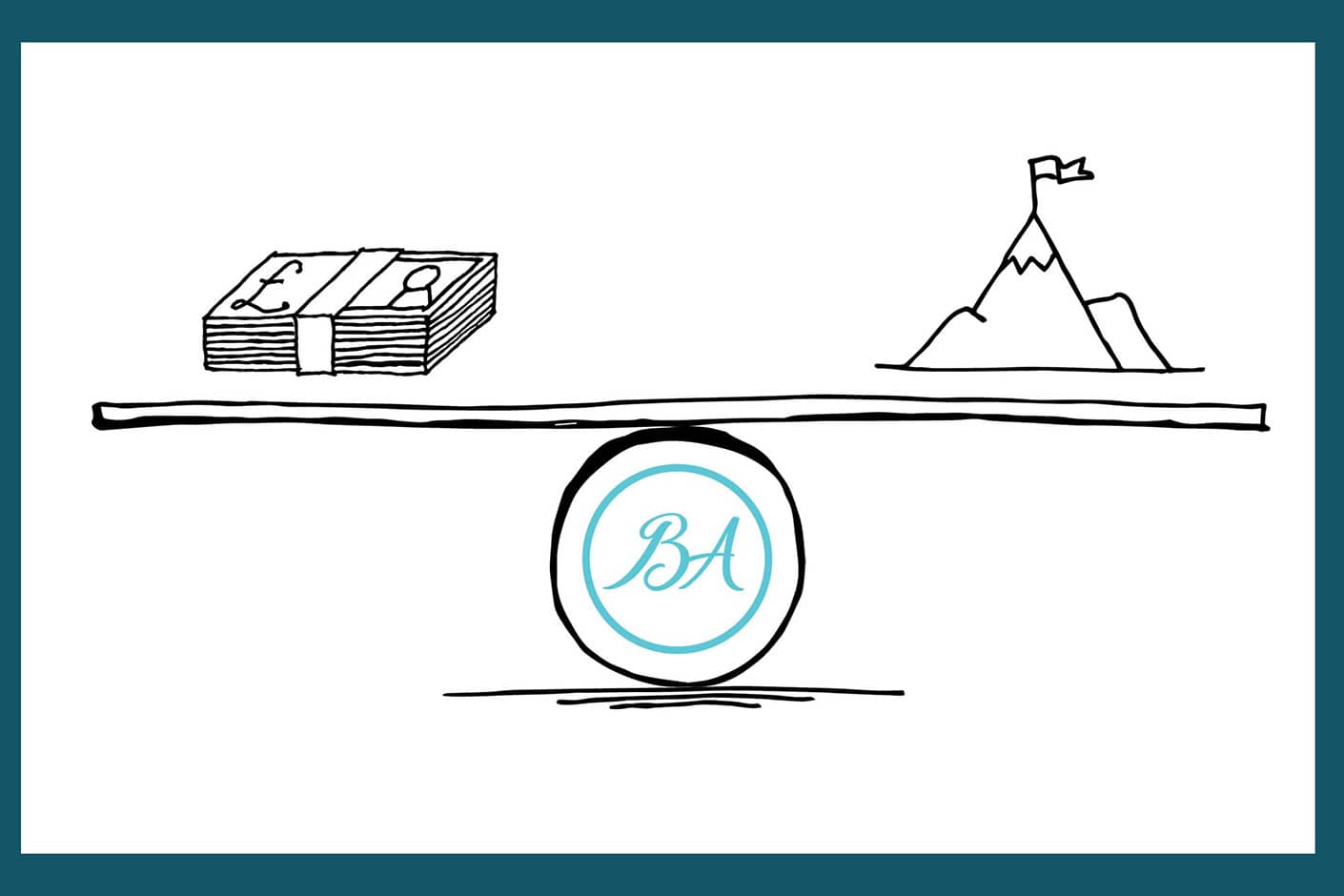
When we examine how people actually make decisions, across organisations, families, and career transitions, the line between money and mission is rarely as clear as it seems.

Resilience is often spoken about as if it is one thing - a personal strength, a mindset, a recovery mechanism or a set of habits. But within high-performance environments, resilience behaves more like a layered system.

Evidence-led insight into how emotional residue from workplace conflict undermines performance over time.




QUICK MENU

Your home for high performance and sustainable success.
Your home for High Performance and Sustainable Success.
Copyright 2025 Balancing Act