

Hydration and nutrition play a crucial role in maintaining focus, energy and decision-making at work. Research shows that even mild dehydration or missed meals can reduce concentration and increase fatigue, potentially affecting performance in demanding environments.

Burnout is often described as emotional exhaustion, but research increasingly shows that its effects go deeper than how we feel. Prolonged workplace stress can influence the brain systems responsible for attention, memory and cognitive control, altering how effectively we process information and maintain focus.

Emerging evidence from psychology and neuroscience shows that the nature of our work can significantly influence how our brains age.

High workload and always-on cultures are eroding performance, decision quality, and recovery. Explore the hidden risks of emotional exhaustion and what leaders and individuals must do to sustain high performance.
Research-led insight into how emotional experience mediates motivation and sustainable performance at work.
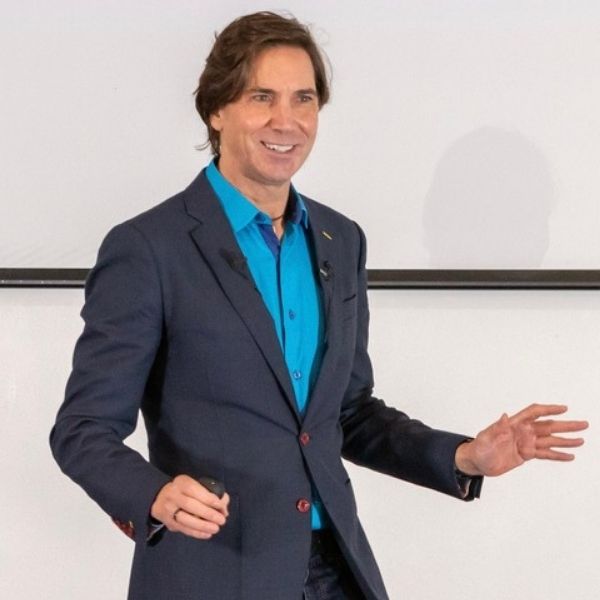
If you can't get to the start line, you can't even compete with Guest Steve Judge, a motivational speaker, author and former world champion paratriathlete whose story has inspired audiences across the UK and internationally.

Unlocking Mental Wealth with Guest Mike Pagan, a leading mental wealth strategist, executive coach and motivational speaker who helps leaders, entrepreneurs and high performers build the support networks they need to thrive.

Pressure does not undermine performance. Unregulated emotional load does.

With Sarah Brennand. Creator of the Calibration Model & Author of Balancing Act - Mastering Work, Wealth and Wellbeing

When leaders talk about feeling “off their game” or “behind”, they’re usually describing an energy problem, not a time problem.

When you look closely at how leaders sustain success over time, another pattern appears.... performance is SOCIAL.
Cognitive load sits quietly in the background of leadership life. It doesn’t appear on your calendar, but it shapes how every item on that calendar feels.
-
Communication in leadership is not a nice-to-have extra. It is essential and it is structural.

Stress is framed as psychological, focus as cognitive, movement and recovery as physical. The reality, as explored in the Mental-Physical Paradigm in Balancing Act, is that these systems are tightly integrated.
-
Success is often portrayed as straightforward progression: more responsibility, more income, more influence, more opportunity. Yet when you sit with leaders behind closed doors, the conversation usually drifts in a different direction.
-
Wellbeing in leadership, is influenced by generational patterns: the norms we grew up with, the environments that shaped us and the expectations we absorbed about work, success, and our approach to resilience.

High-pressure environments do not create emotional reactions; they reveal them.

Resilience is often spoken about as if it is one thing - a personal strength, a mindset, a recovery mechanism or a set of habits. But within high-performance environments, resilience behaves more like a layered system.
High-pressure decisions often arrive without warning. Across interviews with high-performing individuals including athletes, military leaders, and executives, there is a shared pattern.

Evidence-led insight into how emotional residue from workplace conflict undermines performance over time.



QUICK MENU

Your home for high performance and sustainable success.
Your home for High Performance and Sustainable Success.
Copyright 2026 Balancing Act